The Hidden Cost of Neglect: Why Your HVAC Filter is a $15,000 Time Bomb
The filter is the cheapest part of your system and the one most often ignored, and that gap is where expensive failures start.
October 16, 2026 · 4 min read
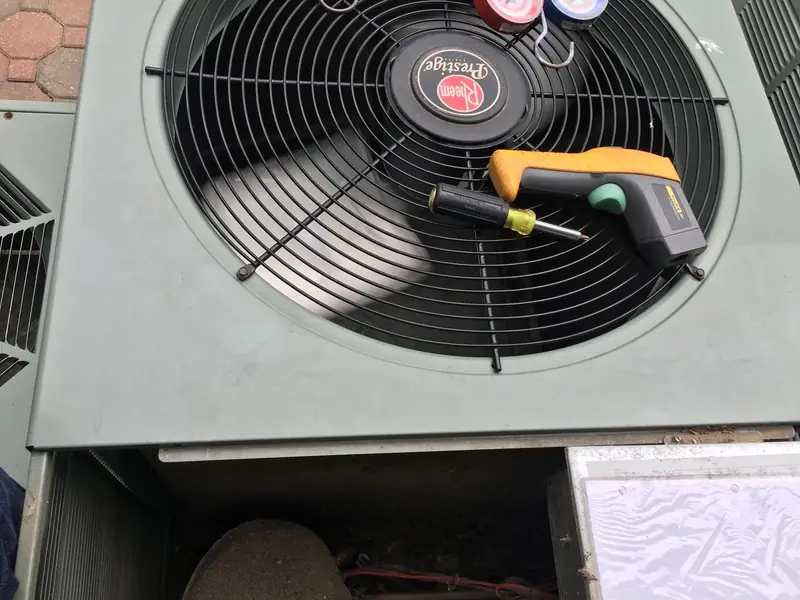
Everyone has a chore they quietly skip. Rotating the tires, clearing the gutters, replacing the batteries in the smoke detector. In heating and cooling, the one that does the most damage when it gets skipped is the air filter. It costs next to nothing, takes two minutes, and when it is neglected for long enough, it can contribute to a failure the size of the number in this article's title.
That figure is the headline's claim about what a ruined system can cost to put right, and we are not going to pretend a filter has a price tag stamped on it. What we can say, from what our crews see in homes and buildings across the boroughs, is that a system which should have run twenty years sometimes gives out at ten, and a clogged filter is often part of the story.
What the filter is actually doing
Think of the system as the lungs of the building. It draws air in, conditions it and sends it back out. The filter is the mask that keeps dust, lint, pet dander and allergens from settling on the blower and the coil. A clean filter lets air pass freely and the machine breathes easily.
In New York, that mask works hard. Construction dust drifts in from the neighbor's gut renovation, older plaster sheds fine grit, and street grime comes in on every open window. A filter in a city apartment can load up faster than one in a quiet suburb.
The one to three month rule
Our guidance is simple: check the filter every month and change it every one to three months. The range exists because homes differ. A single apartment with no pets and a good seal might sit near three months. A house with a shedding dog, a dusty cellar, or a renovation underway needs it closer to every month. When in doubt, hold the filter up to a light. If you cannot see light through it, it is done.
Put the check on your calendar the same day every month. Most skipped filters are not ignored out of laziness, just forgotten, and a reminder fixes that.
What happens when it clogs
Picture running a marathon while breathing through a cocktail straw. That is what the blower motor goes through when the filter is packed with dust. It works twice as hard to move half the air, and motors that run hot and strained wear out sooner.
- Strained blower: the motor runs longer and harder to push air through the restriction, which adds heat and wear.
- Frozen coil: with too little air crossing it, the evaporator coil drops too cold and can freeze into a block of ice. When it thaws, the water has to go somewhere, and that can mean a ceiling stain in the apartment below.
- Poorer air: a full filter cannot catch new dust, so more of it ends up on your furniture and in your lungs.
- Higher running costs: a system fighting for air uses more energy to deliver less comfort.
None of this happens overnight, which is exactly why it is easy to ignore. Each season of neglect adds a little more wear, and the bill arrives all at once when something finally lets go.
Where you do and do not have a filter
If you heat with a boiler and radiators, your heat has no filter to change. Central air, forced-air furnaces and air handlers do. Ductless mini-split heads have their own filters behind the front panel, usually washable, and they need rinsing on a regular schedule. Commercial rooftop units have filter banks that building owners often leave to maintenance staff, which is how a whole building ends up on a clogged set for a season.
Three more habits that protect the system
The filter is the start, not the finish. A few other habits keep airflow healthy and let small problems surface before they grow.
- Keep ductwork clean. Dust and debris build up in ducts over time and restrict airflow, so periodic duct cleaning helps the whole system run smoothly.
- Book an annual professional inspection. A technician can find a weak part before it becomes a major problem, which is how you extend the life of the equipment.
- Consider a programmable thermostat. It lets you set the temperature around your schedule so the system is not working hard for an empty apartment.
When to call us
If you have not changed your filter in a long time, change it first and see how the system behaves. If you find ice on the indoor coil, water around the air handler, a weak airflow from the vents, or a unit that shuts off on its own, stop using it and book a diagnostic inspection. Running a frozen system makes things worse.
Maintenance is described at /services/maintenance and our air conditioning work at /services/air-conditioning. For commercial properties we offer maintenance agreements. To book an inspection, call (646) 315-2271.
New York Mechanical Heating & Cooling, (646) 315-2271
Call (646) 315-2271More articles
5 Signs It's Time for a New Furnace Installation
Most furnaces fail on the coldest night of the year, but they usually warn you first, and these five signs are the warnings.
How Often Should You Schedule Furnace Repair Services?
Once a year is the baseline, but an old furnace in a hard winter earns a second visit.